QIE Group
QIE Group
QIE Group
QIE Group

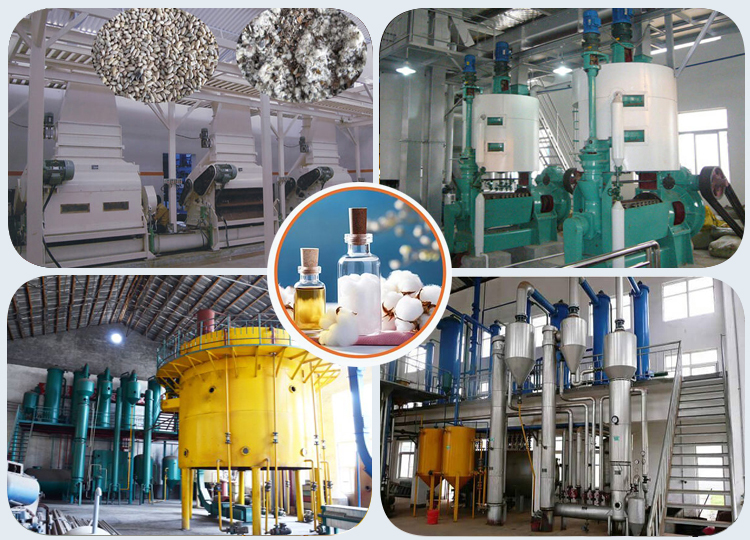
Cottonseed Oil Produciton Line includes cottonseed pretreatment and prepressing workshop, cottonseed cake solvent extraction workshop and curde cottonseed oil refeinry plant. Our equipment can be adapted to international standards, providing grain and oil processing companies with solutions that combine economic benefits with environmental responsibility. We supply complete turnkey cottonseed oil production solutions with capacities ranging from 10TPD to 500TPD. We customize the cottonseed oil production lines to meet your special needs.
Brand
QIE
Raw Material
Cotton Seed

Capacity
10-500TPD
10-500TPD
Customized Cotton Seed Oil Production Line On Demand
Highly Intelligent Production In All Sections
Intelligent
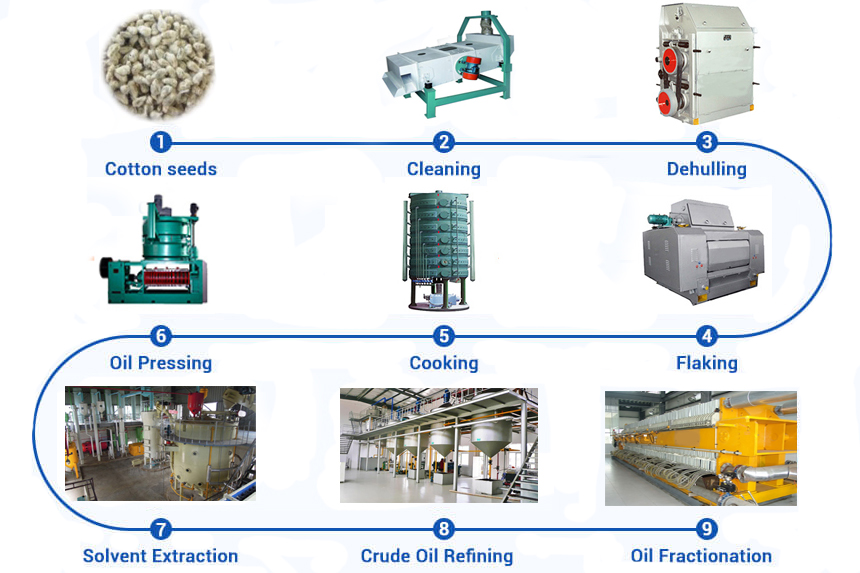

The pretreatment stage ensures the cottonseeds are cleaned and prepared for efficient oil extraction.
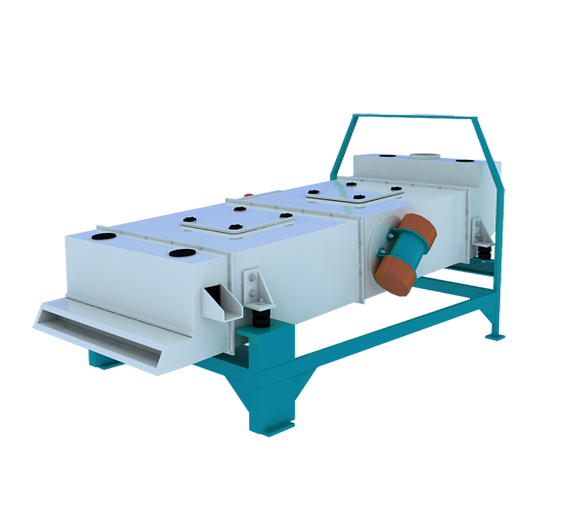
Cleaning is to remove the various impurities in the cottonseeds by cottonseed cleaning equipment. Cleaning cottonseeds can reduce oil loss, increase oil yield, increase the quality of oil, cake and by-products, reduce the abrasion of equipment, increase the handling capacity and improve the work environment.
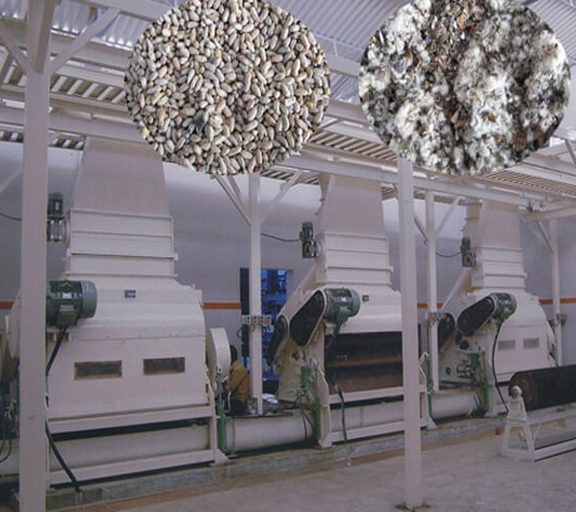
Cottonseed contains 40%-55% of hulls and the hull contains only 0.3-1% of the oil. Cottonseed contains 14%-25% of oil and the kernels contain 30-40%. In addition, the hulls also contain brown pigment, pesticide residue, wax, and lint. Hulling cottonseeds can increase the handling capacity of oil press and increase oil yield, improve the quality of crude oil and meal. Cottonseed hulls can be used for cultivating mushroom and used as livestock feed, etc.
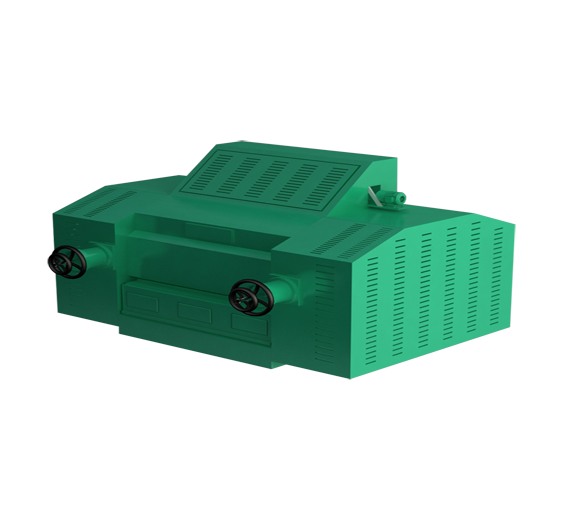
Flaking process makes the cottonseeds into flakes and destroys the cell walls, which can largely shorten the oil path so that to increase the oil-yielding speed and oil yield. Cottonseed oil processing plant adopts hydraulic flaking roller which can guarantee the uniform thickness of the cottonseed flakes. The roller has high hardness and stable performance.
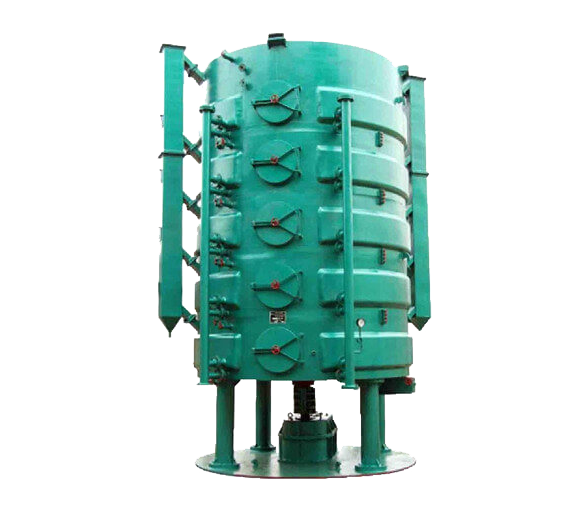
Since cottonseed hulls contain a high content (39%~52%) and cottonpol (0.8%~1.3%). We need to use a vertical cooker to cook the cottonseeds and adjust the temperature and moisture content of it(moisture content 4-6% temperature 110-115℃). This will reduce the cottonpol content in the raw cotton oil and improve the overall quality.
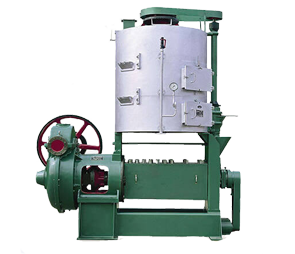
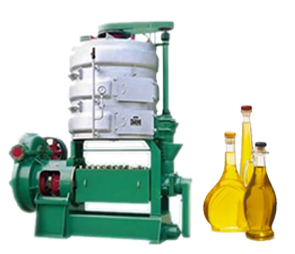
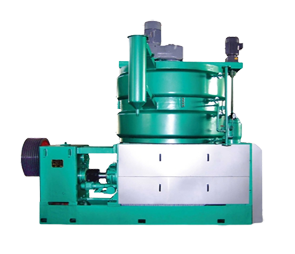
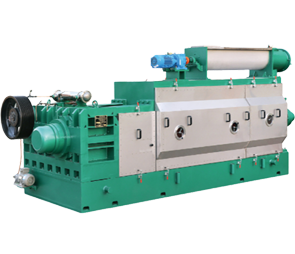
Mechanical Pressing: Suitable for small-scale cottonseed oil production or initial pre-pressing in large cottonseed oil plants.Oil pressing is to press the cottonseed kernel into thin slices to increase the surface area of the oil, destroy its cell structure, shorten the oil path, and speed up the oil output. Cottonseeds can be once-pressed and then sent to the cottonseed oil refinery plant directly. For the capacity of more than 20 tons per day, usually, solvent extraction method is adopted with cottonseed oil pre-press used to extract part of the oil. The machine has a large capacity and the cake has low residual oil rate and is easy for solvent penetration.
Cottonseed flakes or press cakes undergo solvent extraction to recover residual oil. Hexane is commonly used as the solvent, and cutting-edge recovery systems minimize solvent loss. Preferred for large-scale cottonseed oil production as it ensures nearly complete oil recovery (up to 99%). After oil extraction, the miscella and the solvent containing the wet meal are obtained. The miscella is pumped into the hydrocyclone to remove the fines and the miscella enters the miscella tank in the cottonseed oil extraction plant.

Using n-hexane as the solvent in rotocel extractors or loop extractors. Through countercurrent extraction principles, dissolves almost all residual oil from the cake, forming mixed oil (oil-solvent mixture).

The DTDC (Desolventizer-Toaster-Dryer-Cooler) system removes residual solvent and moisture, minimizing protein denaturation (protein content >50%). And reduces free gossypol content below 400mg/kg, producing safe high-protein animal feed.

First, a rising film evaporator concentrates the mixed oil from 20-25% to 90-95%. Then a disc stripping tower uses direct steam under vacuum to completely remove residual solvent, producing extracted crude oil with solvent residue below 50ppm.

A condenser liquefies all evaporated solvent vapors. After a water separator removes moisture, the pure solvent returns to the solvent storage tank for reuse. Solvent consumption below 5kg per ton of raw material, reducing production costs.
Crude cottonseed oil contains gossypol (about 1%), gums, and waxes, making it poor quality and unsafe for direct consumption. After refining, the cottonseed oil contains less than 0.02% gossypol, meeting food safety standards.
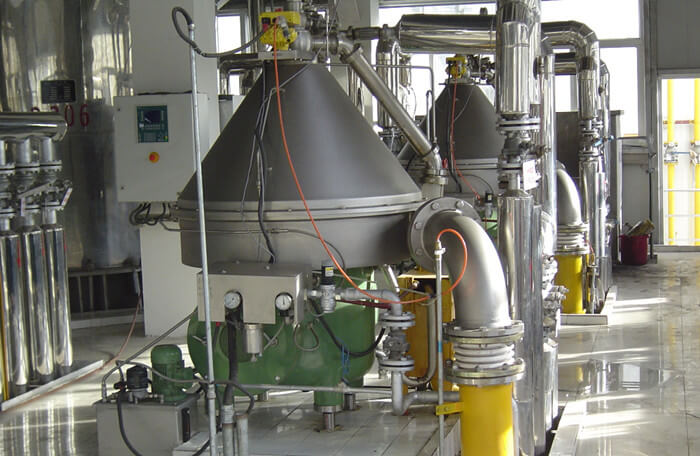
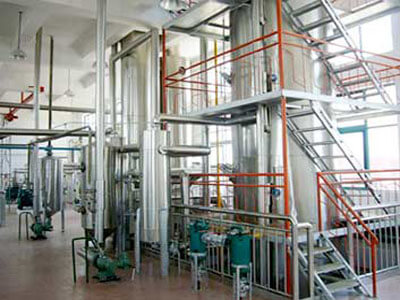
Degumming
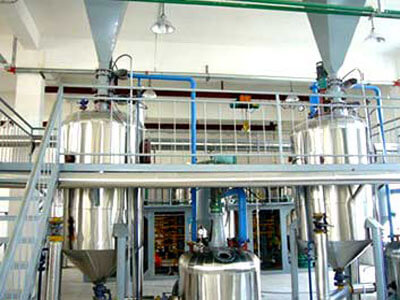
Phospholipids are easy to adsorb bleaching clay and reduce bleaching effect. Meanwhile, the gossypol in the crude oil can react with phospholipids to form bound gossypol which can't be removed. By degumming, the filtered cottonseed oil is preheated and phosphoric acid is added to change nonhydratable phospholipids into hydratable phospholipids.
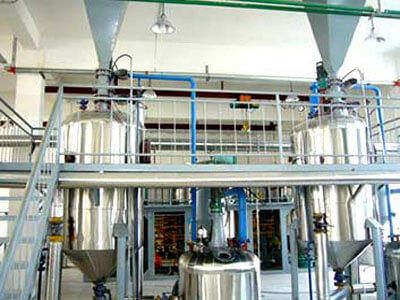
De-acidification
Cottonseed oil is mixed with alkali which reacts with free fatty acids to form soapstocks. The mixture is centrifuged to separate the soapstocks from oil. The soapstocks have strong adsorbability and can adsorb some pigment, protein, phospholipids, mucilage and other impurities. The free gossypol also reacts with alkali to form the salt, which is adsorbed on the soapstocks to be removed. The oil is washed with hot water to remove the residual soapstocks.
Bleaching
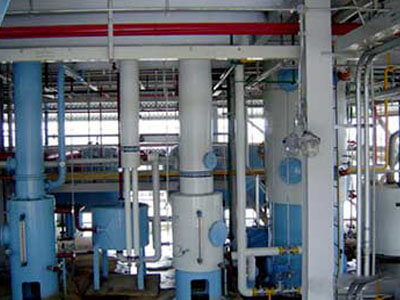
The degummed and neutralized oil is mixed with bleaching earth and then the mixture is sent into the bleaching tower in the cottonseed oil refinery plant. By heating under vacuum, the residual gossypol and other pigments in the oil are adsorbed on the clay. The mixture from the bleaching tower is pumped into the leaf filter to remove the waste clay.
Deodorization
The bleached oil is pumped into the deodorization tower in the cottonseed oil refinery plant to remove the free fatty acids and odor substances so that to improve the flavor, stability, color, and quality of the oil. The deodorization process is performed under high temperature and high vacuum.

QIE Grain and Oil Machinery Co., Ltd
With decades of expertise,QIE Group has successfully installed cooking oil production lines worldwide, serving customers in over 100 countries. Our extensive product portfolio includes cooking oil production solutions, as well as customized solutions for specific capacities ranging from small-scale operations to large conglomerate production facilities.
Whether in Asia, Europe, the Americas or Africa, our equipment is tailored to meet local market needs and production challenges. We operate worldwide and customer satisfaction is at the heart of every project we undertake. From initial consultation and design to installation and after-sales service, QIE Group ensures that every solution meets the highest standards of quality and efficiency.
Get Quote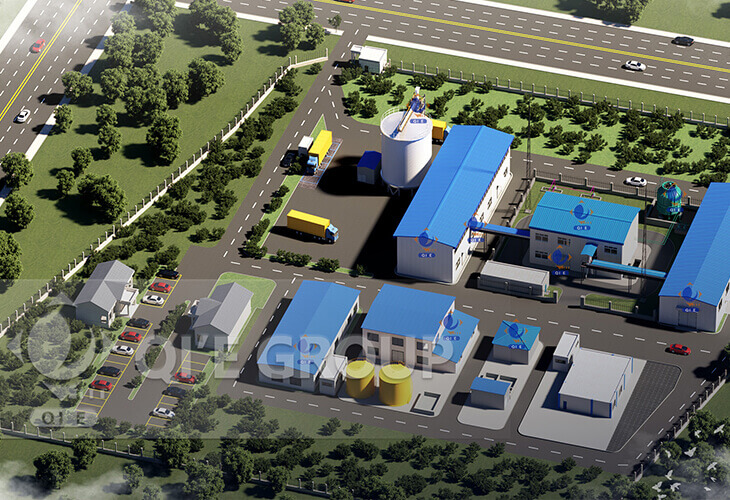

This project includes 300TPD soybean pre-treatment+solvent extraction+30TPD oil refinery plant.
Learn More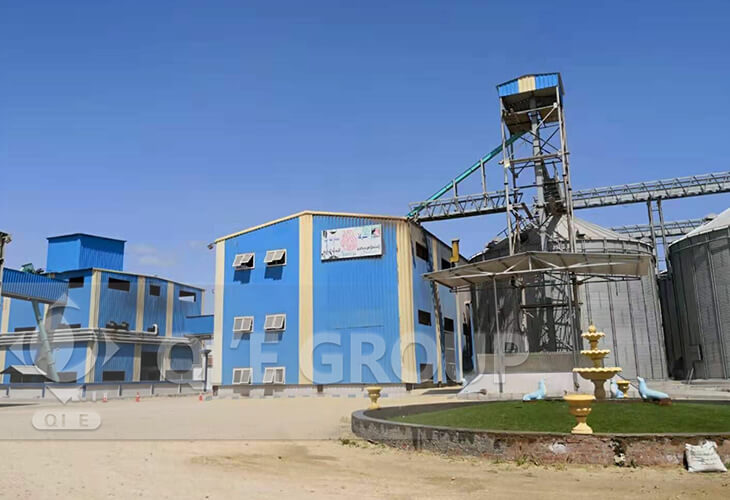
This project includes 300TPD soybean pre-treatment+solvent extraction+60TPD oil refinery plant.
Learn More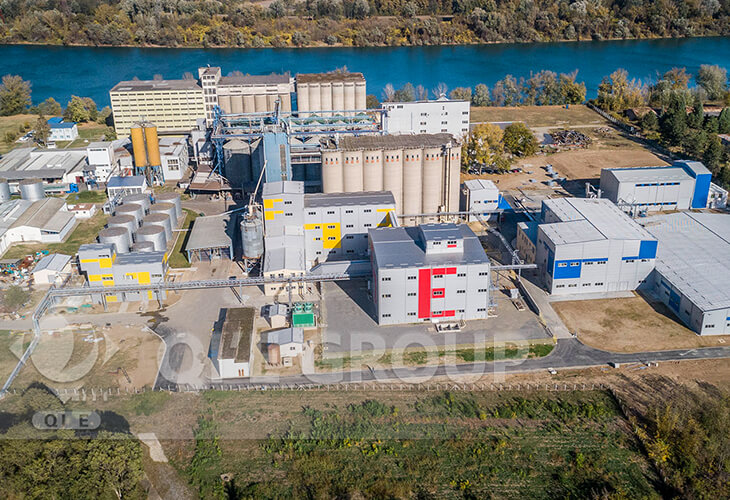

This is our soybean protein isolate project with low temperature desolventing technology in Serbia.
Learn More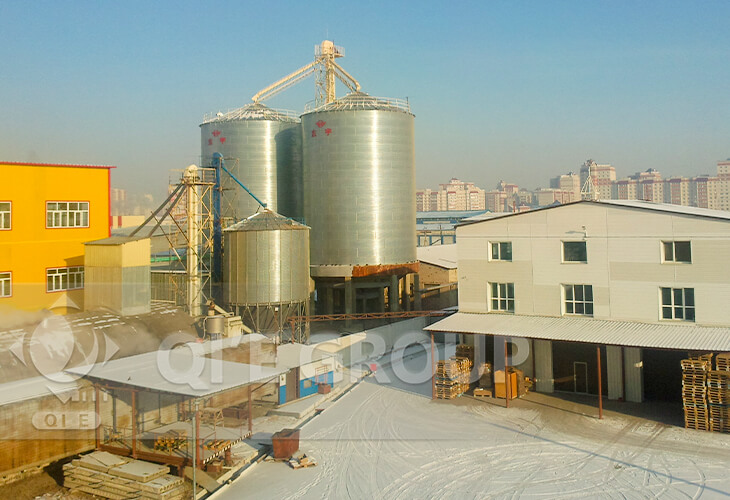

The 200TPD soybean oil project is for our Russian customer.The workshop adopts pretreatment, solvent extraction and refining process.
Learn MoreWhether you contact us by phone, email, or leave a message online, we will provide you with comprehensive and high-quality services.
Phone: 0086-13949113983
WhatsApp:
Email: qiea@oilpresses.org
Address: No.352 Lianhua Street, Hightech Industrial Development Zone, , Zhengzhou City,Henan Province, China